
![The Arc de Triomphe de l'Étoile (Triumphal Arch of the Star) is one of the most famous monuments in Paris. It stands in the centre of the Place Charles de Gaulle (originally named Place de l'Étoile), at the western end of the Champs-Élysées. It should not be confused with a smaller arch, the Arc de Triomphe du Carrousel, which stands west of the Louvre. The Arc de Triomphe honours those who fought and died for France in the French Revolutionary and the Napoleonic Wars, with the names of all French victories and generals inscribed on its inner and outer surfaces. Beneath its vault lies the Tomb of the Unknown Soldier from World War I. The Arc de Triomphe is the linchpin of the Axe historique (historic axis) – a sequence of monuments and grand thoroughfares on a route which runs from the courtyard of the Louvre to the Grande Arche de la Défense. The monument was designed by Jean Chalgrin in 1806 and its iconographic program pits heroically nude French youths against bearded Germanic warriors in chain mail. It set the tone for public monuments with triumphant patriotic messages. The monument stands 50 metres in height, 45 m wide and 22 m deep. Its design was inspired by the Roman Arch of Titus. The Arc de Triomphe is built on such a large scale that, three weeks after the Paris victory parade in 1919 (marking the end of hostilities in World War I), Charles Godefroy flew his Nieuport biplane through it, with the event captured on newsreel. It was the tallest triumphal arch in existence until the completion of the Monumento a la Revolución in Mexico City in 1938, which is 67 metres high. The Arch of Triumph in Pyongyang, completed in 1982, is modelled on the Arc de Triomphe and is slightly taller at 60 m [Wikipedia.org]](https://images.trvl-media.com/place/6187899/ce730aaa-6e04-4cb2-ae2d-4e846d97c027.jpg?impolicy=resizecrop&rw=1920&ra=fit&ch=480)













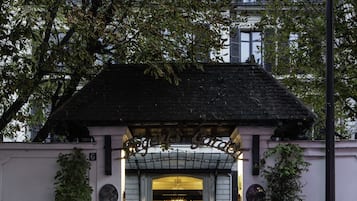


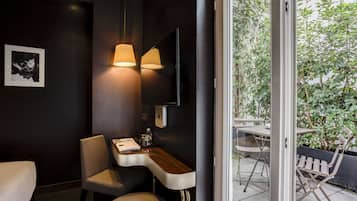


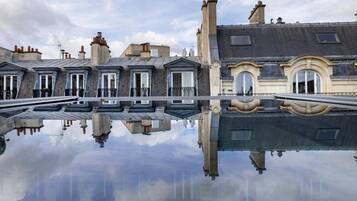
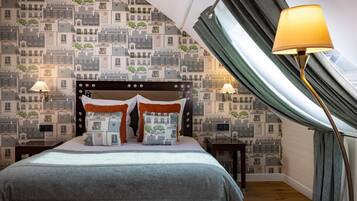


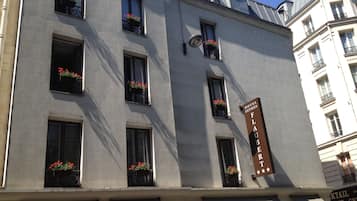





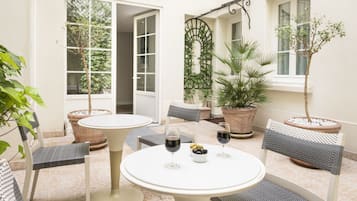



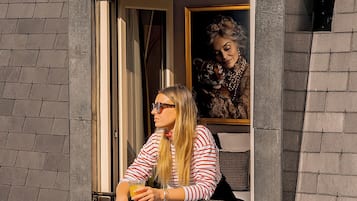





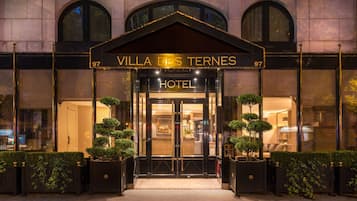
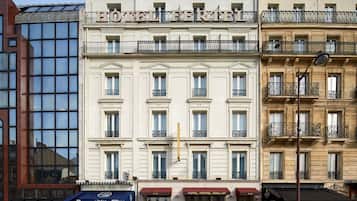

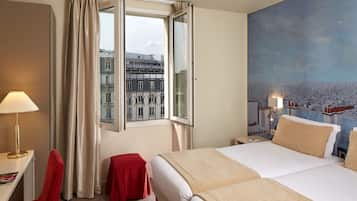



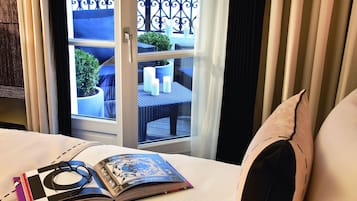
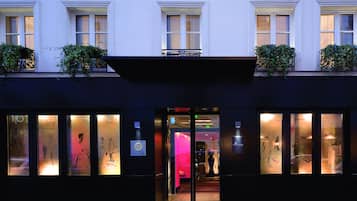


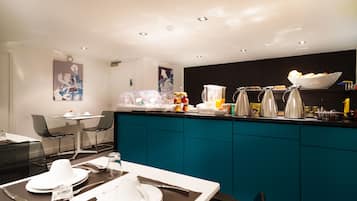


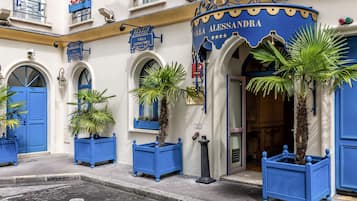
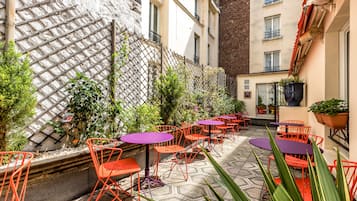



Hvernig er 17. sýsluhverfið?
Ferðafólk segir að 17. sýsluhverfið bjóði upp á ýmislegt spennandi, en nefna sérstaklega veitingahúsin. Þetta er skemmtilegt hverfi og þegar þú kemur í heimsókn er tilvalið að kanna verslanirnar og kaffihúsin. Arc de Triomphe (8.) er tilvalinn staður til að læra meira um sögu svæðisins. Það er fjölmargt meira að skoða á svæðinu, t.d. eru Place de Clichy (torg) og Rue du Faubourg Saint-Honore (gata) áhugaverðir staðir.
17. sýsluhverfið - samgöngur
Flugsamgöngur:
- París (ORY-Orly-flugstöðin) er í 17,6 km fjarlægð frá 17. sýsluhverfið
- París (CDG – Charles de Gaulle flugstöðin (Roissy-flugstöðin)) er í 22,5 km fjarlægð frá 17. sýsluhverfið
17. sýsluhverfið - lestarsamgöngur
Eftirfarandi lestarstöðvar eru í nágrenninu:
- Paris Pont-Cardinet lestarstöðin
- Paris Porte de Clichy lestarstöðin
17. sýsluhverfið - lestarsamgöngur
Meðal lestarstöðva í nágrenninu eru:
- Rome lestarstöðin
- La Fourche lestarstöðin
- Brochant lestarstöðin
17. sýsluhverfið - spennandi að sjá og gera á svæðinu
17. sýsluhverfið - áhugavert að skoða á svæðinu
- Arc de Triomphe (8.)
- Place de Clichy (torg)
- Rue du Faubourg Saint-Honore (gata)
- Place Charles de Gaulle torgið
- Espace Champerret
17. sýsluhverfið - áhugavert að gera á svæðinu
- Hebertot-leikhúsið/Litla Hebertot
- Leikhús Celebrity Centre
- Jean-Jacques Henner-þjóðarsafnið